What Color: an Arduino based color detection toy
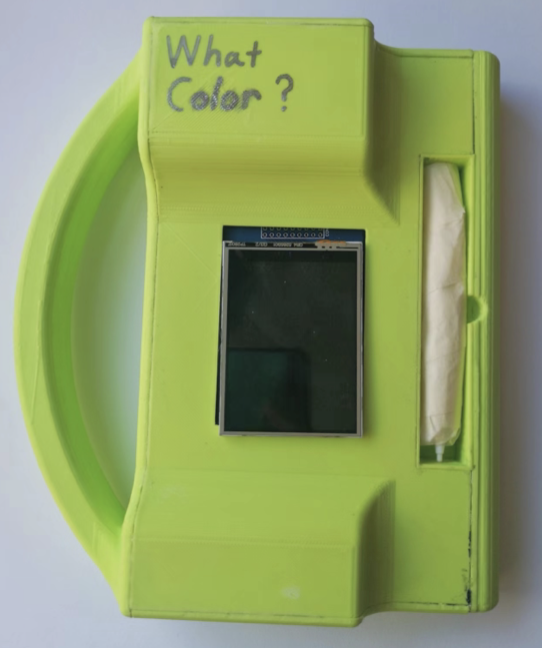
This product encourages 4+ year olds to learn about colors with surrounding objects. After the color is detected by the sensor, its red, yellow and blue composition will be displayed on WhatColor's touchscreen, and the child can then draw with this color. Showing the RGB composition not only can teach children what red, yellow, and blue are, but also color mixing and more advanced color concepts such as coral and cyan for those that already know RGB.
Class Project
Project Owner
User testing done
Introduction
According to CDC, children at the age of 4 should reach the cognitive milestone of being able to name a few colors of items[1]
- What Color is for 4+ children that are studying the basic colors (red, yellow, blue), or has already learned the basics and learn about color mixing
- Encourage children to scan object colors and draw with it when exploring
- Heighten children's sensitivity in different shades and learn about color mixing
- Composition: color sensors + touch screen + Arduino + 3d printed case
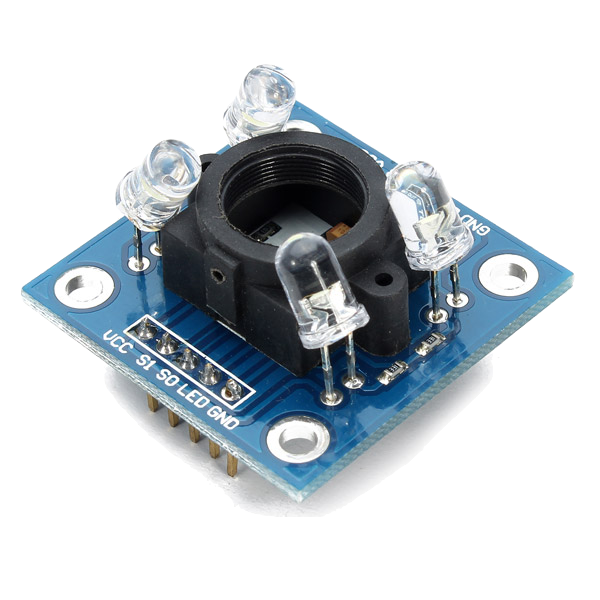
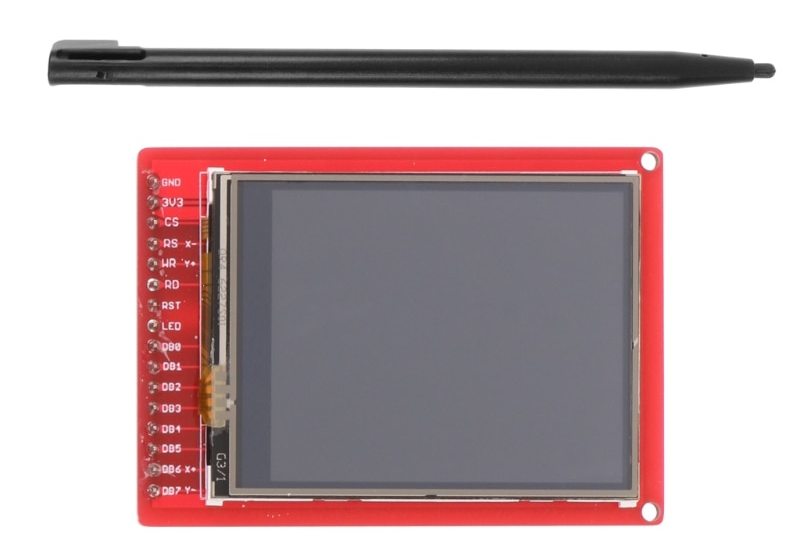
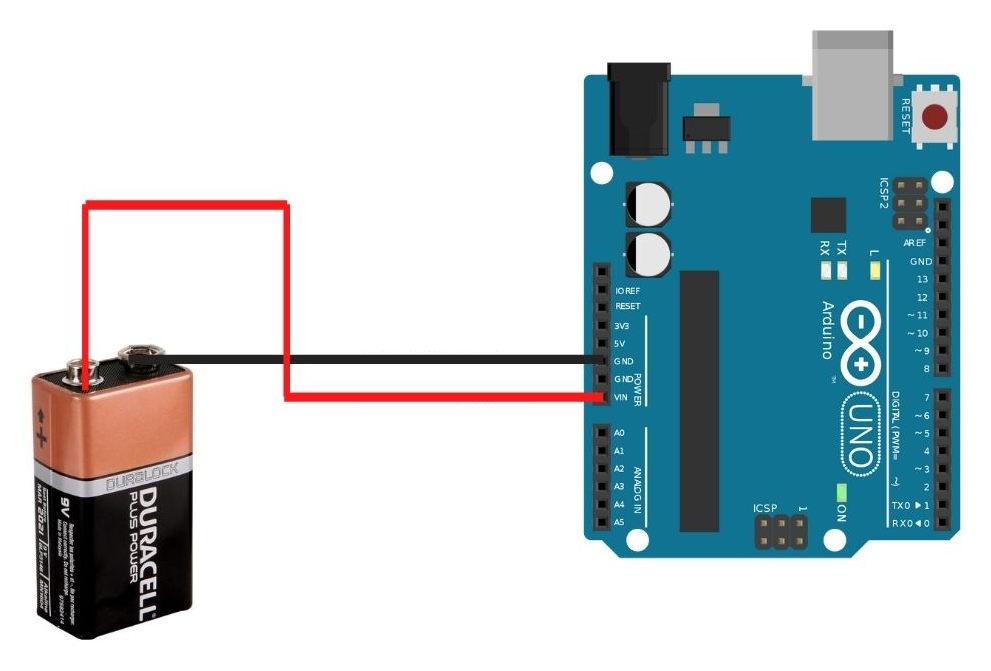
3D printed shell
Initial Design Progress
Need analysis: 4 year olds should be able to name a few colors of items.
Task analysis: Found toy with similar concept: magnetic drawing board. Performed task analysis with an online video with children interacting and reviewing a board.
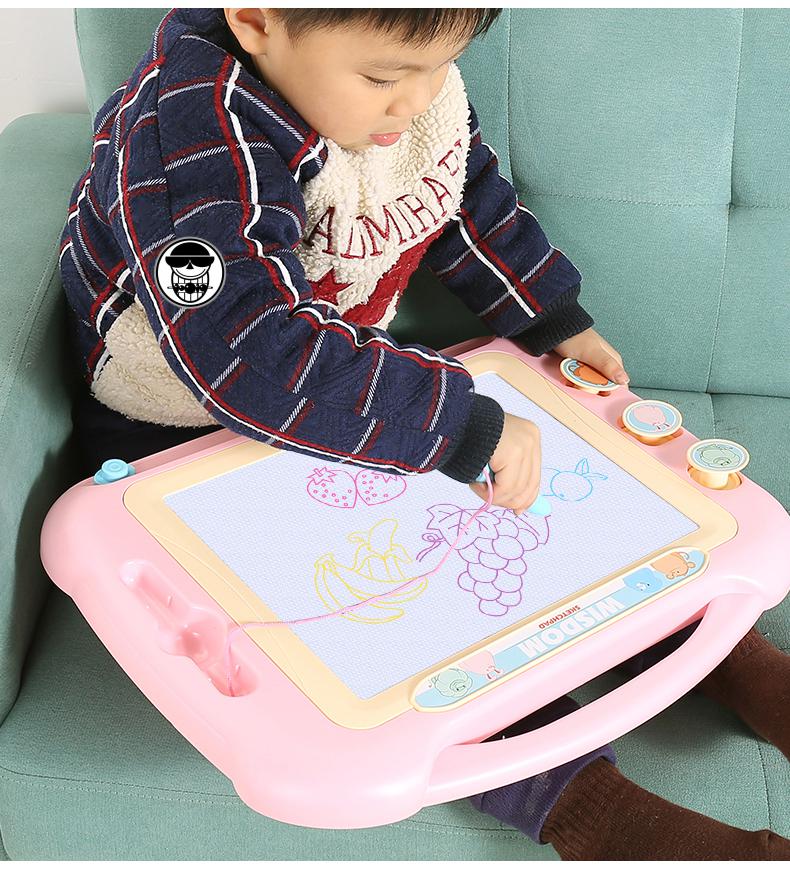
Main takeaways:
- 3 year-old child could lift a 710g item
- pen with a diameter of 1.2cm could be easily utilized by 1 year- old in a grabbing hand position
设计图
考虑了硬件可实施性。设计为一个位置固定的玩具,孩子会把物体带到玩具上进行扫描。
方案一:
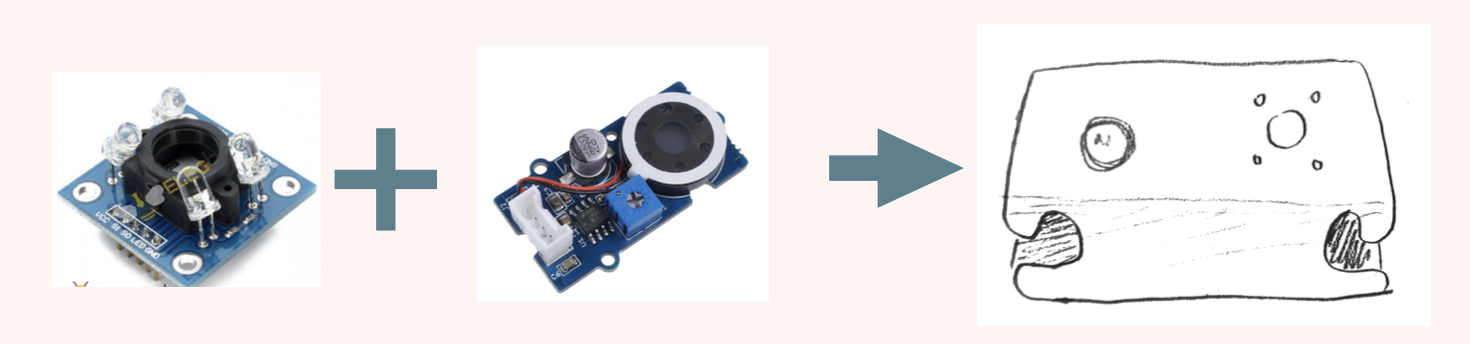
颜色传感器 + 喇叭
喇叭会说出物品颜色的色彩组成。由于孩子还没有学过百分比,喇叭会说:“大部分都是蓝色,有一些黄色和一点点红色”
方案二:
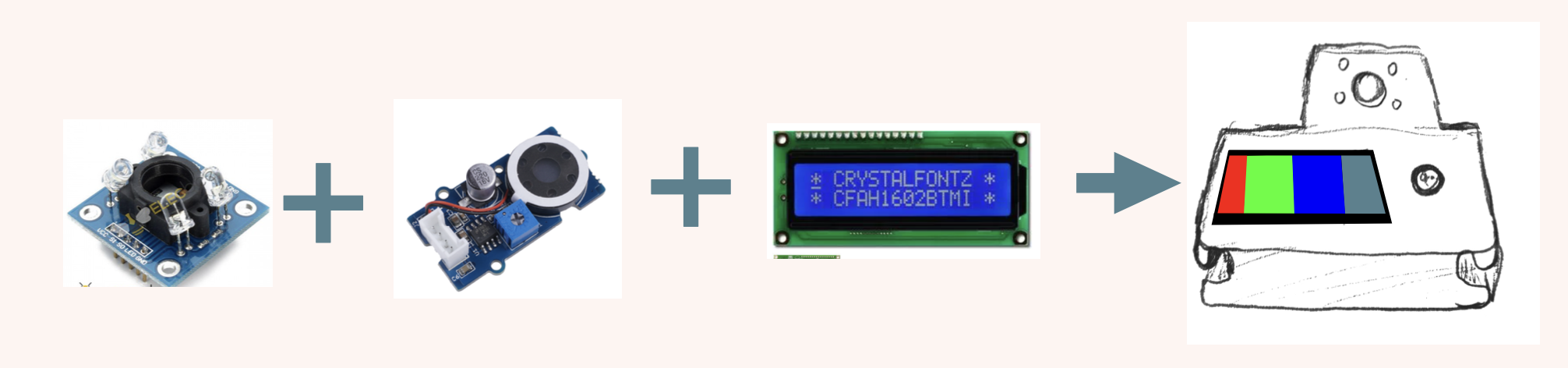
颜色传感器 + 喇叭 + 显示屏
小孩把感兴趣的物品放置在玩具上,喇叭会说出物品颜色的色彩组成,同时显示屏上会显示出红黄蓝的占比
迭代后的设计
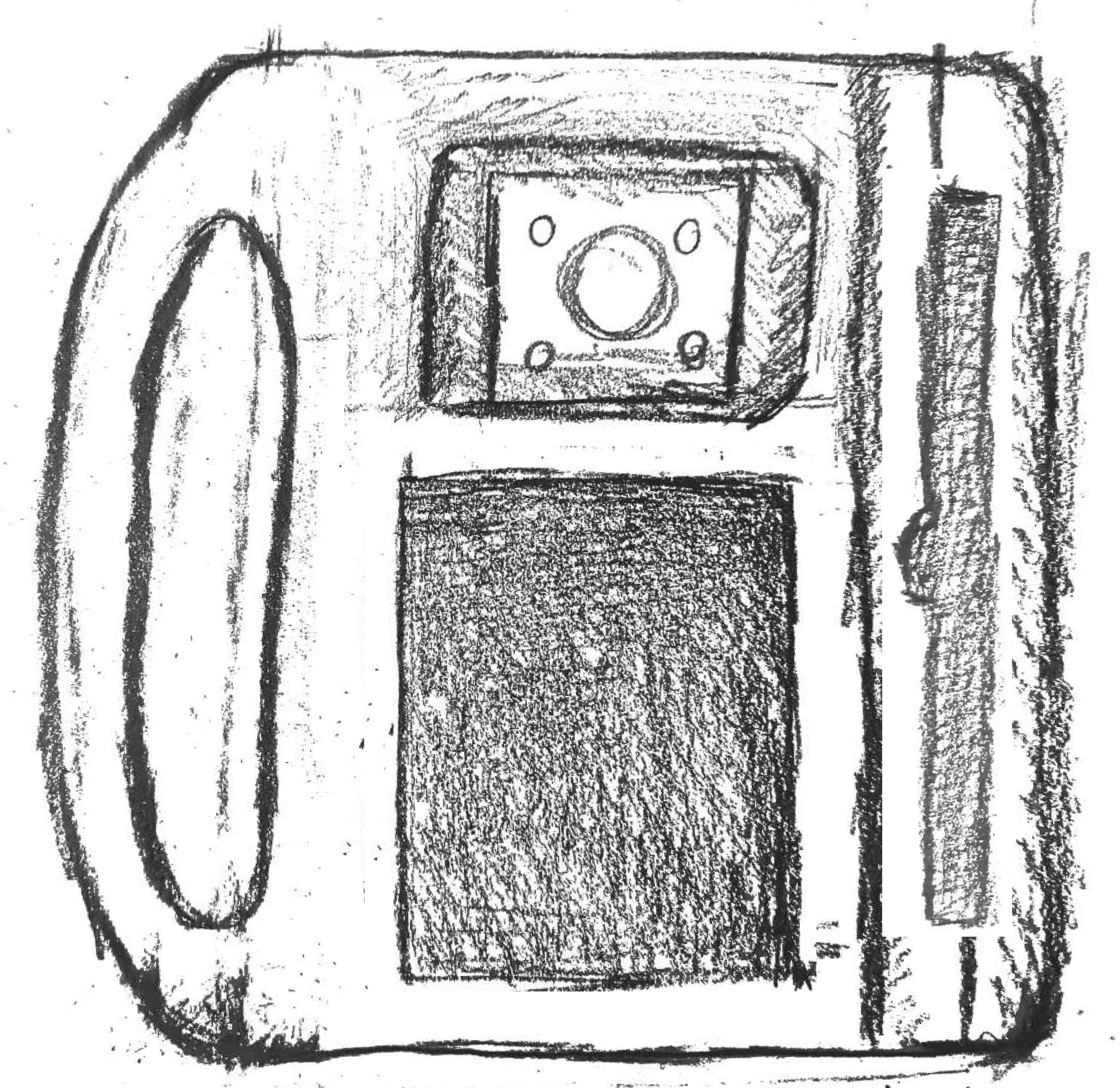
- Took in consideration of ergonomics to make it portable
- Handle is placed on the left to not be in the way during drawing, so they could hold the toy and pen to run around at the same time
- Added touch screen and pen for drawing entertainment
- Similar to tablets and magnetic drawing board that children are familiar with
Workflow Chart
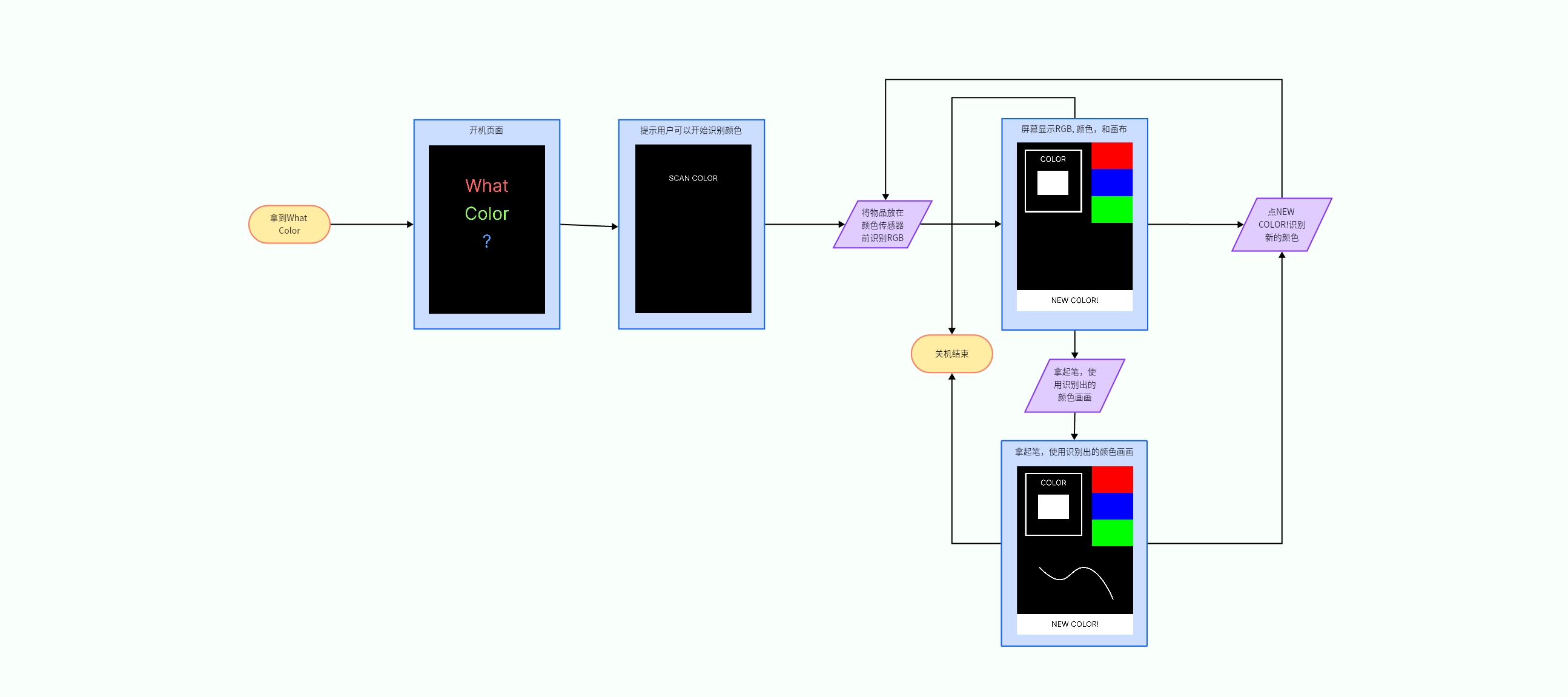
Then thought about how putting the color sensor on the back of the product fits more closely with people's habit of scnaning objects with our phones or tablets.
This change is reflected in 3D modeling.
3D Modeling
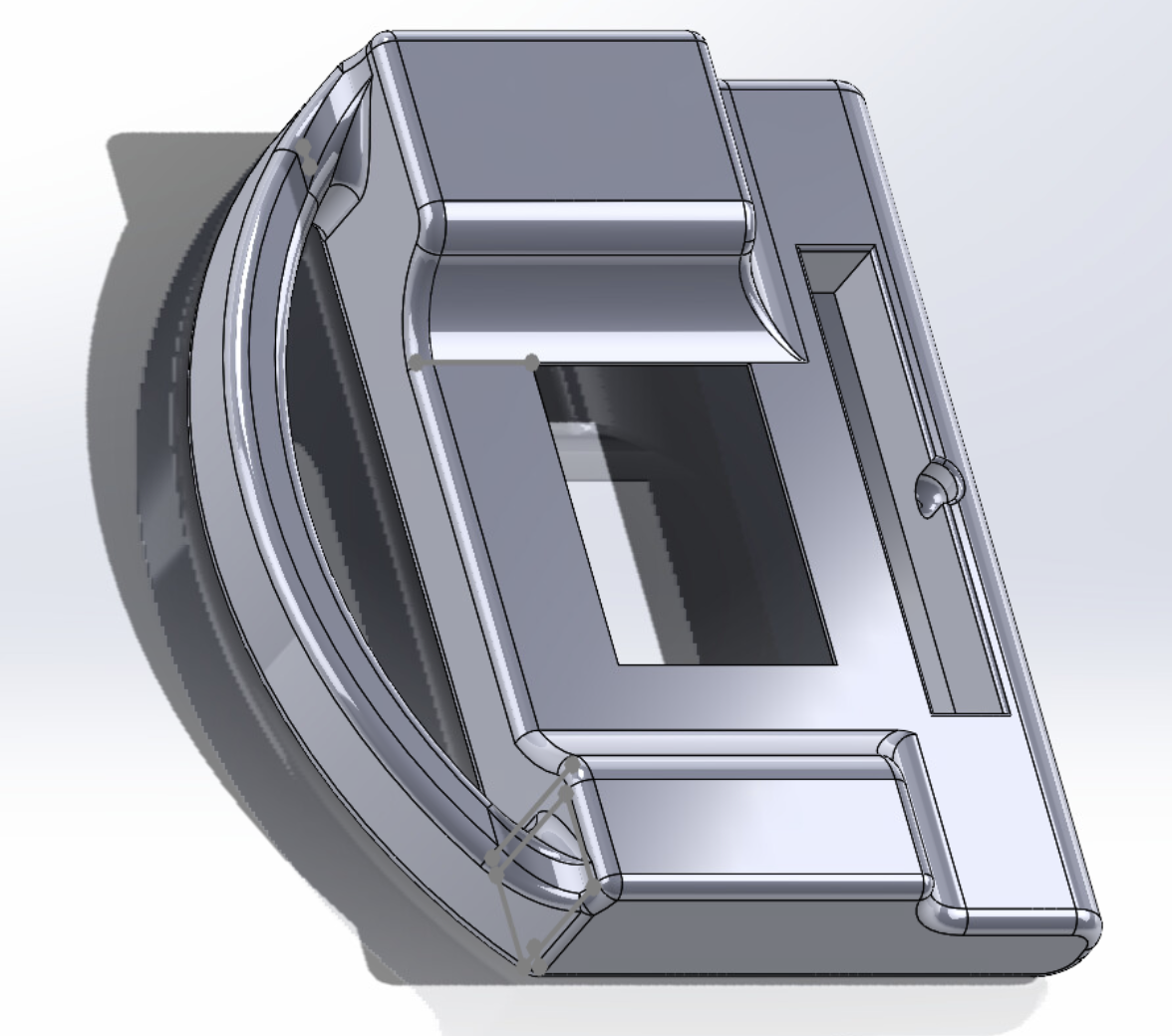
- The 9V battery is placed at the bottom of the product, so the balance point of this device would be more towards the bottom. This make it easier for children to hold and run around with it while avoiding affordance of smashing
- According to Kong, the optimal handle diameter for grip force tasks is 19.7% of the user's hand length. Therefore, the best diameter for a 4 year-old with hand length of 10 cm would be 1.97 cm[3]
- Made sure shell thickness at any point is at least 1.2 cm
Final Product + Usability Testing
- The product's name is written at the top of the toy to indicate which orientation this device should be held
- The device weighs about 300g, which wouldn't cause musculoskeletal injury among young children
- Conducted usability testing with a 4 year old female and a 8 year old female. To protect their privacy, videos wouldn't be shared.
- All of the participants took the pen out by poking at its top, rather than using the space at the right-side of the pen.
- The handle is placed on the left so it wouldn't hinge most child's writing (because right-handedness is the most common), but younger child seems to like grabbing it with their right hand, which could reverse the orientation.
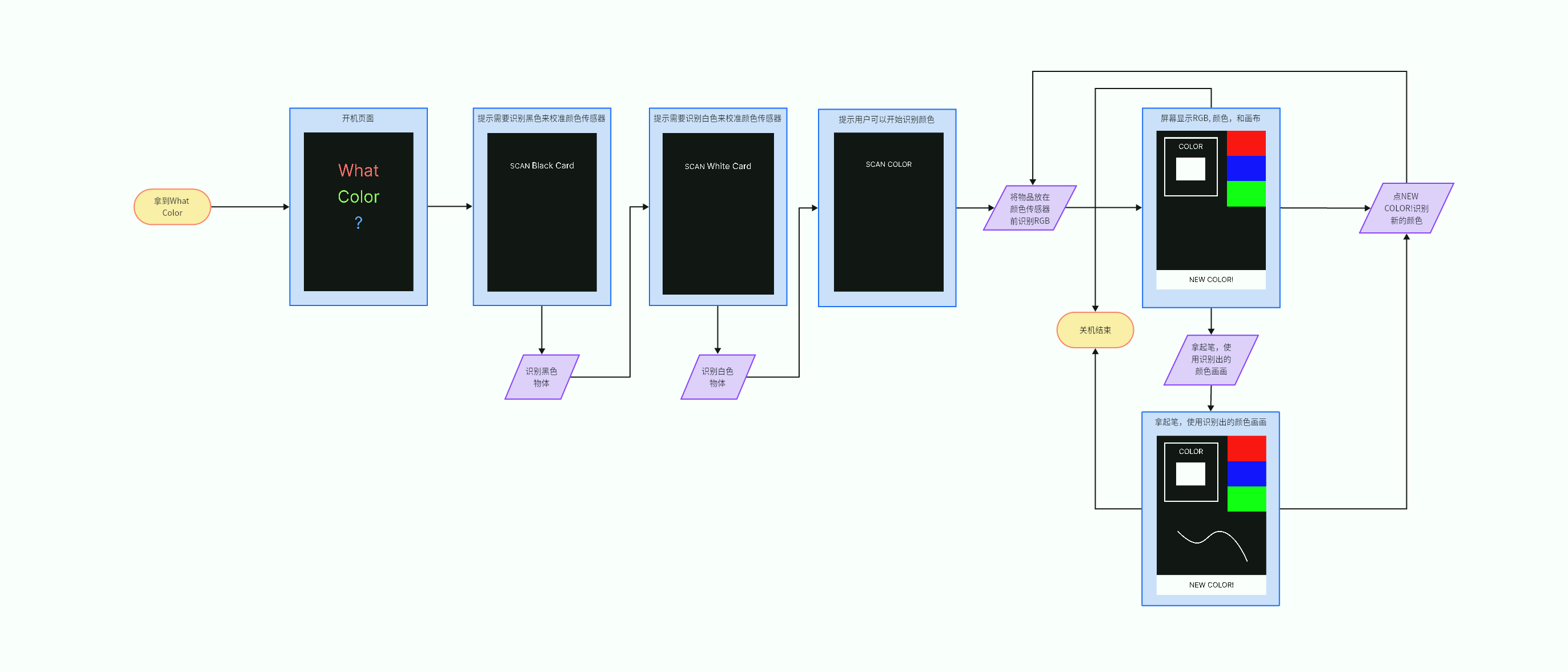
Updated Workflow Chart
Future Work
This prototype is influenced by the constraint of available hardware, so there are lots of room for improvements based on user feedback
Future iterations will only consider industrial level hardwares
Possible routes: tablet to hold with two hands, single-hand scanning device, extend upon smart watches for children...
Basic on the paper Improving Colour Patterns to Assist People with Colour Vision Deficiency, it could help color-blind children to understand colors and colors of every day objects[2]
References
Centers for Disease Control and Prevention. (2022, March 31). Important milestones: Your baby by Four Years. Centers for Disease Control and Prevention. https://www.cdc.gov/ncbddd/actearly/milestones/milestones-4yr.html
Connor Geddes, David R. Flatla, Garreth W. Tigwell, and Roshan L Peiris. 2022. Improving Colour Patterns to Assist People with Colour Vision Deficiency. In Proceedings of the 2022 CHI Conference on Human Factors in Computing Systems (CHI '22). Association for Computing Machinery, New York, NY, USA, Article 479, 1–17. https://doi.org/10.1145/3491102.3502024
Kong, & Lowe, B. D. (2005). Optimal cylindrical handle diameter for grip force tasks. International Journal of Industrial Ergonomics, 35(6), 495–507. https://doi.org/10.1016/j.ergon.2004.11.003